
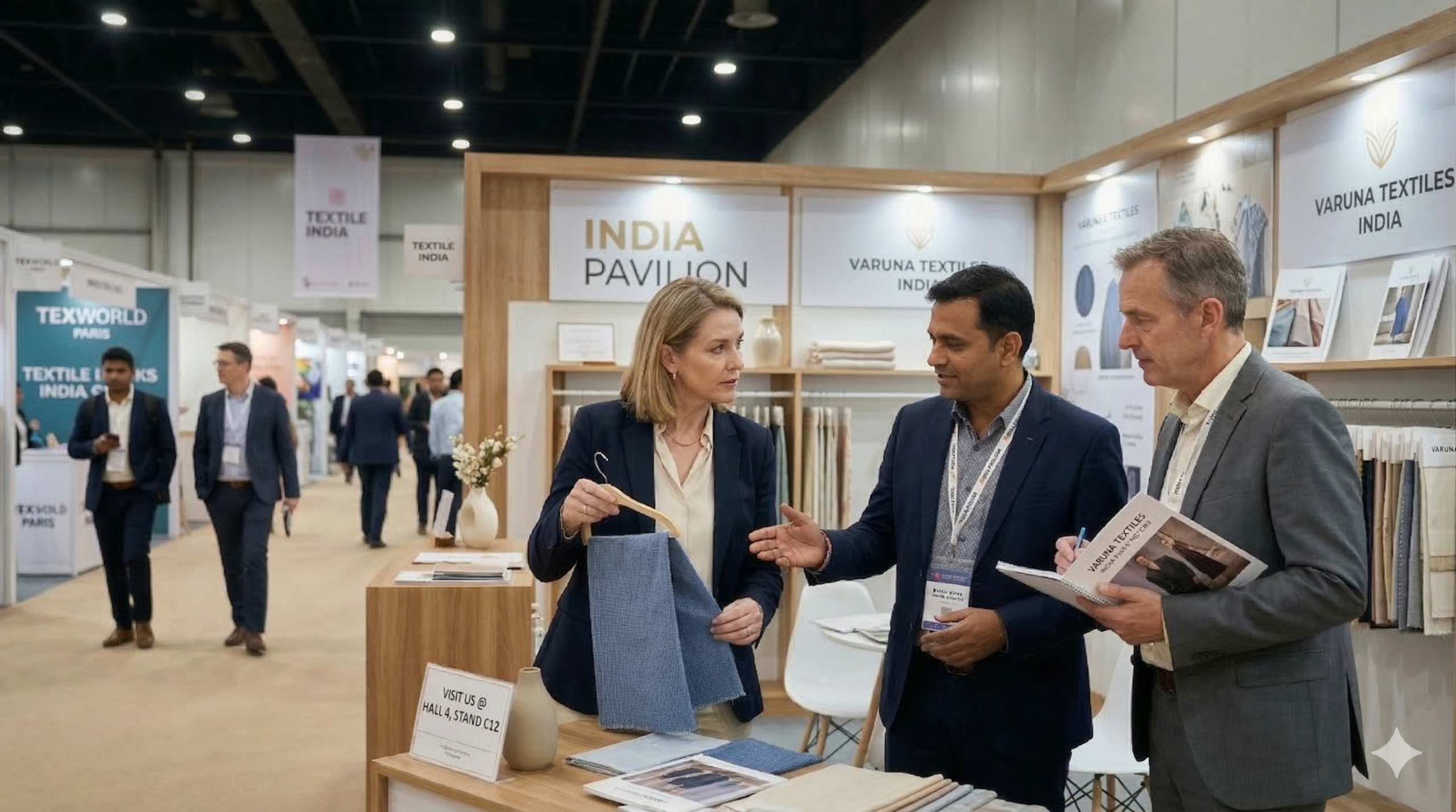

In today’s global apparel landscape, sourcing decisions are no longer driven solely by cost. European buyers have evolved their expectations prioritizing reliability, compliance, quality, and long-term value. As India cements its reputation as a key sourcing destination, understanding what European brands truly seek in Indian partners is critical for manufacturers and exporters aiming to deepen international relationships.
1. Compliance & Certifications: Meeting European Standards
European markets are among the most regulated in the world, particularly when it comes to environmental, health and safety standards. Buyers expect suppliers to comply with frameworks such as REACH (Restriction of Hazardous Substances) and widely recognized certifications like OEKO-TEX®, GOTS (Global Organic Textile Standard), SEDEX, BSCI and SA8000. These certifications act as proof that factories adhere to chemical safety, worker welfare and ethical production standards, which are increasingly central to EU sourcing strategies.
For example, OEKO-TEX® ensures textiles are free of harmful chemical a non-negotiable for many European brands focused on both quality and consumer safety. GOTS certification adds another layer by verifying organic content and social compliance across the supply chain.
Certified suppliers not only reduce risk for buyers, but also demonstrate readiness to support traceability, due diligence reporting, and sustainability goals all critical factors in European procurement decisions.
2. Quality & Consistency: Non-Negotiables in European Sourcing
European buyers have high expectations for product consistency. It’s not enough to deliver a good garment once buyers look for repeatable precision in fit, stitching, finishing and raw materials. This consistency is essential for brands selling across numerous markets where quality issues can undermine consumer trust and lead to returns or stock write-offs.
India’s garment industry blends traditional craftsmanship with modern production technolog enabling factories to deliver both scale and quality through structured quality control systems and skilled labour.
European brands increasingly insist on strict quality assurance procedures, including pre-shipment inspections, in-line statistical quality control measures, and independent third-party audits. These practices are table stakes for exporters aiming to build long-term sourcing partnerships.
3. On-Time Delivery & Supply Chain Reliability
Meeting delivery deadlines is a core expectation for European buyers. Unlike a transactional purchase, fashion cycles in Europe are tightly scheduled around seasonal launches, retail windows, and inventory planning. A delay at one node whether production, logistics or customs can disrupt entire collections and impact retail performance.
India’s vertically integrated textile ecosystem, which includes yarn, fabric and garment production, helps reduce lead-time variability. And with evolving trade frameworks like the India-EU Free Trade Agreement, tariffs on Indian apparel are set to reduce or disappear, making predictability not just operational, but economic as well.
European buyers evaluate suppliers not only on historical delivery performance but also on communication and responsiveness clear timelines, early warning on risks, and proactive resolution when challenges arise.
4. Sustainability & Ethical Manufacturing
Sustainability is no longer a buzzword it’s a procurement requirement. European brands are facing growing pressure from regulators and consumers to ensure that their products are ethically produced, with low carbon footprints, responsible water use, fair wages, and transparent supply chains.
Indian suppliers are responding with investments in renewable energy, waterless dyeing technologies, and social compliance structures that align with buyers’ ESG (Environmental, Social, Governance) reporting needs.
Factories that can articulate measurable sustainability efforts with documented evidence and certificates position themselves as preferred partners for European buyers who are increasingly integrating sustainability performance into core sourcing decisions.
5. Communication, Transparency & Relationship Building
Beyond technical requirements, European buyers value clear communication and transparency. This includes real-time visibility into production status, honest discussion of capabilities (not over-promising), and responsiveness across time zones.
Manufacturers that provide detailed tech packs, clear MOQ expectations, realistic lead times, and structured documentation build confidence. Many buyers treat engagement with suppliers not as a one-off transaction, but as a potential long-term relationship one built on mutual understanding and predictability.
6. Design Support & Flexibility
Finally, European buyers are increasingly looking for suppliers who can go beyond production offering value through design collaboration, prototype support, and flexibility with smaller batch runs or private label manufacturing. This trend is particularly strong among boutique and mid-sized European brands seeking differentiation in crowded markets.
Final Thoughts
European buyers today are not simply looking for low-cost suppliers they are seeking strategic partners who can deliver quality, compliance, reliability, and shared values. Indian manufacturers that understand these priorities and invest in certifications, quality systems, transparent communication, and sustainability stand to gain substantial long-term partnerships.
In a world where supply chain resilience and ethical sourcing have moved from “nice-to-have” to “must-have”, aligning with the expectations of European buyers is not just smart it’s essential.